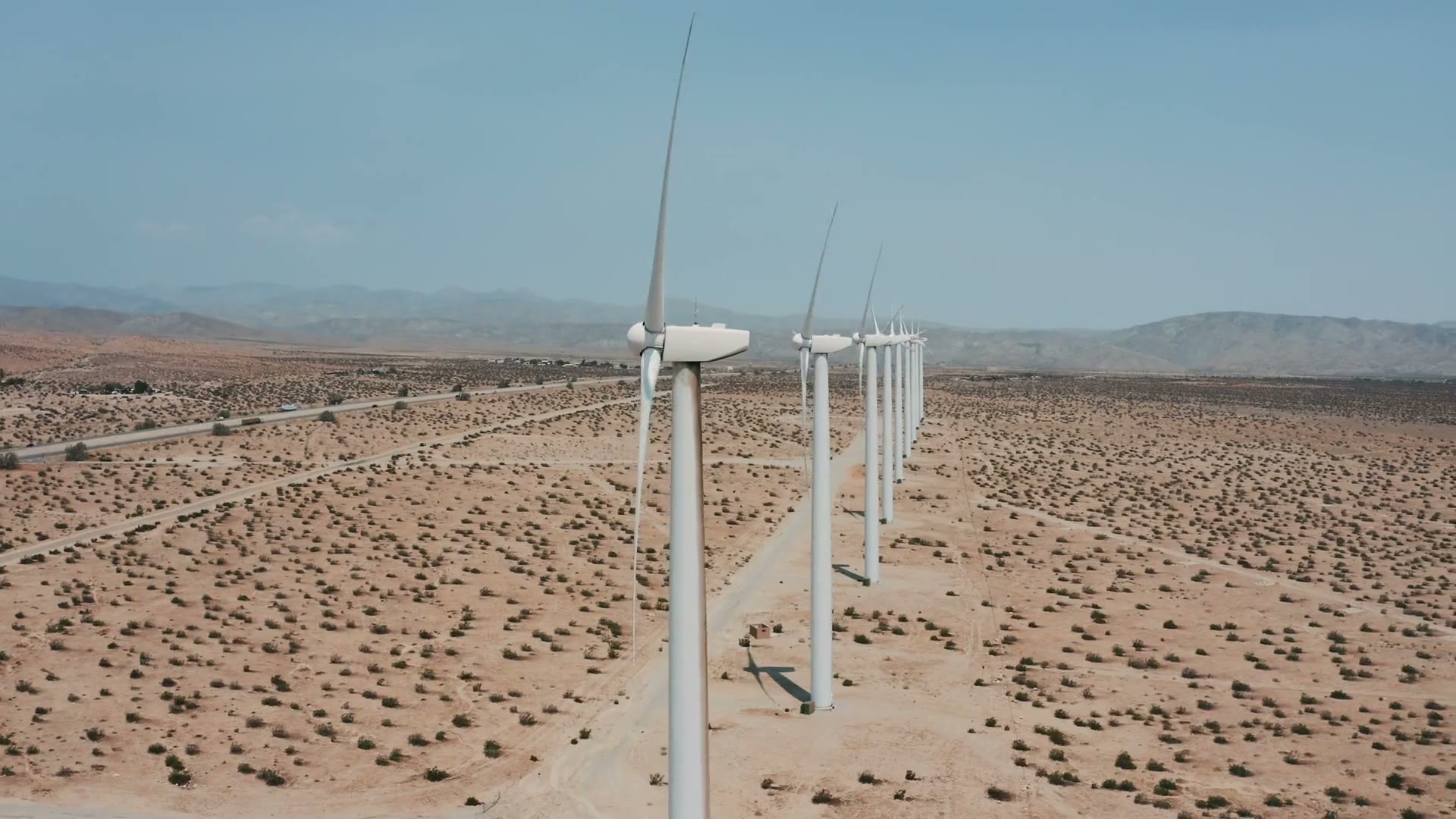
Place
Land use, local context and the physical character of each site shape project development.
Energy transition is physical: land, grid capacity, generation, storage and the communities around them.
PHENDHEY’s place principle is not a sustainability slogan. It is a development discipline: understand the site, the system need and the consequences of long-lived infrastructure.
PHENDHEY develops projects with attention to location, system need and long-term utility.
Land use, local context and the physical character of each site shape project development.
Projects are considered in relation to grid capacity, balancing needs and the wider energy system.
Development decisions consider construction, operation, ownership transitions and long-term utility.
Governance, procurement and counterparties form part of responsible project development.
A development approach focused on the infrastructure required to integrate renewable generation, storage and system flexibility.
Renewable generation adds new sources of electricity where resource, land and grid access align.
Substations and connection infrastructure determine where new generation and storage can operate.
Storage and flexible generation help balance timing, congestion and variability across the system.
Generation, grid and flexibility become valuable when they are developed as one connected system.
Environmental, social and governance considerations are integrated into project development, corporate conduct and long-term stewardship.
Land use, grid context, construction impacts and the operating life of infrastructure are considered at project level.
Projects are developed in the context of municipalities, landowners, local infrastructure and the long-term use of each site.
Corporate roles, ownership structures and material project relationships are kept distinct and documented through the appropriate company records.
Suppliers are assessed against project scope, technical requirements, safety expectations and the relevant procurement stage.
PHENDHEY publishes only approved public material. Project-specific environmental and investor documentation remains with the relevant project or controlled access.
Formal policies and project documents are listed only when approved for public release.